Signs you might be a good candidate for fMRI-guided TMS
Home / Blog / Signs you might be a good candidate for fMRI-guided TMS
If you’ve been exploring treatment options for depression, anxiety, or other neurological or psychiatric conditions, you may be wondering whether transcranial magnetic stimulation (TMS) therapy is right for you.
TMS has become an increasingly recognized option for individuals seeking non-invasive, brain-based care, especially when symptoms persist despite traditional approaches. But candidacy is not based on a single factor. It involves understanding your history, symptoms, and how your brain networks may be functioning.
In this blog, we explain how TMS therapy works, who may qualify, and what to expect if you are considering treatment at Neurotherapeutix in New York City.
What is transcranial magnetic stimulation therapy?
Transcranial magnetic stimulation therapy is a non-invasive treatment that uses magnetic pulses to stimulate specific brain regions involved in mood regulation, emotional processing, and cognitive function.
How TMS therapy works
During treatment, a magnetic coil is placed near your scalp to deliver targeted pulses to brain regions associated with symptoms. These pulses are designed to support healthier communication between neural networks and promote neuroplasticity, which is the brain’s ability to adapt and reorganize.
TMS sessions are performed in an outpatient setting, and patients remain awake and alert throughout treatment.
Standard TMS vs. fMRI-guided TMS therapy
Traditional TMS uses standard coil placement based on general anatomical landmarks and follows protocol-based treatment approaches for most patients.
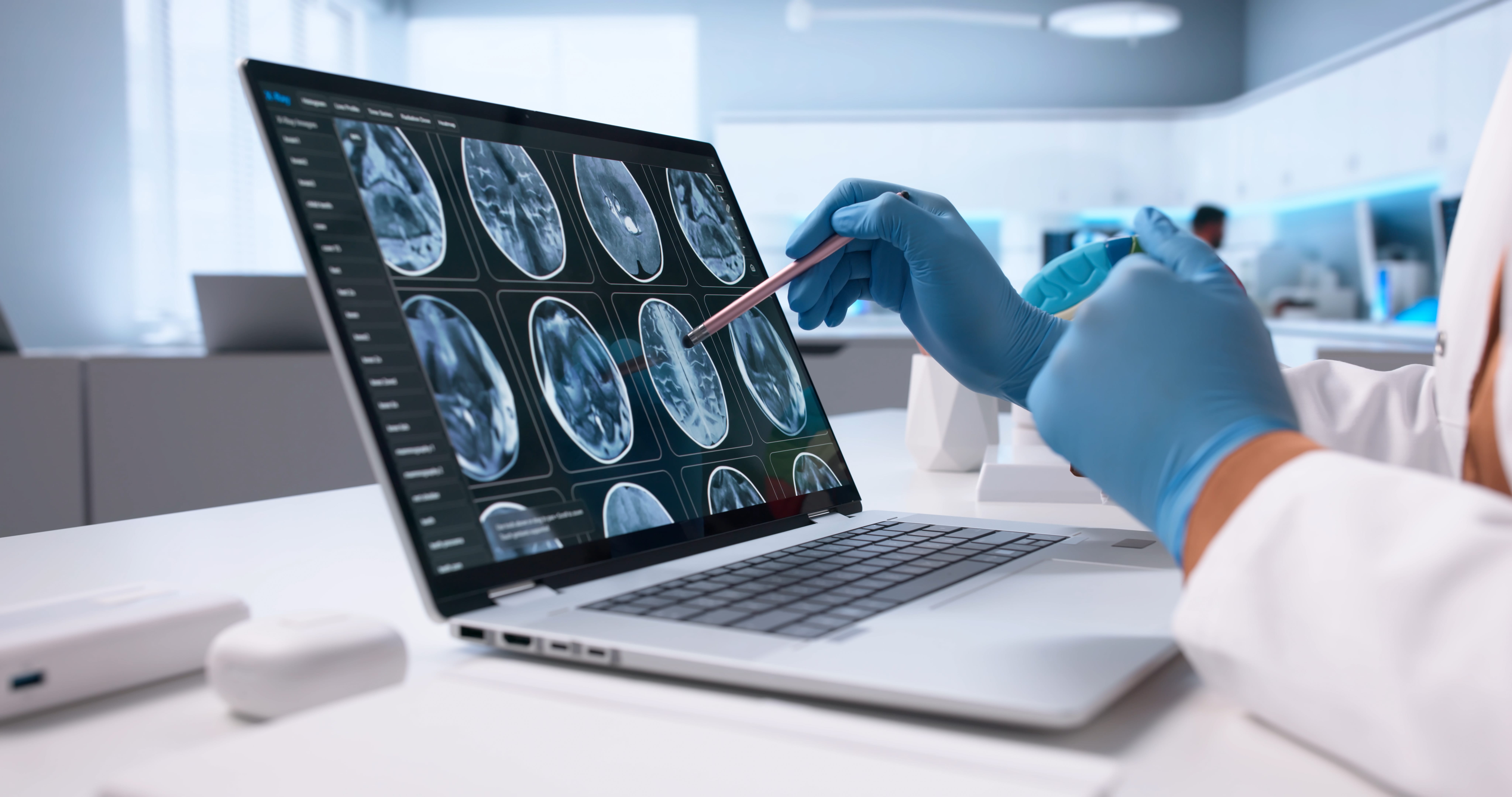
At Neurotherapeutix, fMRI-guided TMS therapy uses computational brain mapping to personalize stimulation targets based on your unique brain connectivity patterns. This allows clinicians to identify specific neural circuits involved in symptoms and tailor treatment with millimeter-level precision.
Because every brain is different, this approach is designed to reflect your individual neural pathways rather than rely on a one-size-fits-all protocol.
Clinicians may also explore its use for additional conditions based on individual needs, clinical judgment, and evolving neuroscience research.
Am I a candidate for fMRI-guided TMS therapy? Key signs to look for
You may be a strong candidate for fMRI-guided TMS therapy if:
You continue to experience mental health or neurological symptoms despite therapy or medication
You prefer a non-medication treatment approach
You are looking for a non-invasive option with minimal downtime
You want a more personalized treatment plan guided by brain imaging
You are interested in advanced mental health care beyond standardized protocols
Candidacy is always determined through clinical evaluation rather than symptoms alone.
Who can get fMRI-guided TMS therapy?
TMS therapy may be considered for individuals experiencing conditions such as:
Depression
Anxiety disorders
Obsessive-compulsive disorder (OCD)
Post-traumatic stress disorder (PTSD)
Bipolar-related depressive symptoms
Certain neurological or brain injury–related conditions
At Neurotherapeutix, treatment planning begins with clinical review and functional MRI-based computational brain mapping to determine whether this approach aligns with your individual needs.
Is fMRI-guided TMS right for me? Important questions to consider
Deciding whether TMS therapy is a good fit often comes down to understanding your symptoms, treatment history, and personal goals.
These are some of the most common questions patients ask when considering whether fMRI-guided TMS therapy is appropriate for them.
How will TMS work for me?
Response varies from person to person. While many patients experience meaningful improvement, outcomes depend on factors such as symptom history, neural connectivity patterns, and overall clinical presentation.
Functional MRI-based computational brain mapping helps personalize treatment targeting, which may support more individualized care planning.
Do I need to stop medication before TMS?
Not necessarily. While many people explore TMS after trying medication or psychotherapy, treatment decisions are based on clinical evaluation rather than strict sequencing. Your care team considers your preferences, treatment history, and goals when determining next steps.
Who is not eligible for TMS?
Some individuals may not be suitable candidates for TMS therapy. Contraindications can include:
Certain implanted metallic or electronic devices near the head
Medical conditions that may increase seizure risk
Other safety considerations identified during clinical evaluation
Your care team will review medical history and safety guidelines before recommending treatment.
Safety guidelines and side effects
TMS therapy is generally well-tolerated and does not require anesthesia or sedation. Common side effects are usually mild and temporary, and may include:
Scalp discomfort during treatment
Mild headache
Temporary facial muscle twitching
Serious complications are rare, and safety screening is completed before treatment begins.
What to expect from fMRI-guided TMS treatment
Treatment typically follows several steps:
Initial consultation and clinical review
Functional MRI-based computational brain mapping
Personalized targeting using imaging data
A series of outpatient TMS sessions
Ongoing monitoring and adjustments as needed
Sessions often last approximately 20–30 minutes, allowing most patients to return to normal activities afterward.
Why choose Neurotherapeutix in NYC for TMS therapy
Located on Manhattan’s Upper East Side, Neurotherapeutix is the first and only clinic in the United States to offer fMRI-guided TMS therapy using patented computational brain mapping technology.
Our physicians combine advanced neuroscience with compassionate, expert-led care designed to support brain function and strengthen neural connections through personalized treatment strategies.
Get started with fMRI-guided TMS therapy in NYC
If you are wondering whether you may be a candidate for TMS therapy, the best next step is a consultation with our team.
We take the time to understand your symptoms, treatment history, and goals so you can make informed decisions about your care.
Many patients explore TMS when symptoms persist despite medication or therapy. Your care team will evaluate whether this approach fits your clinical situation.
Is TMS therapy painful or uncomfortable?
Most patients describe treatment as mild tapping or pulsing sensations on the scalp. Discomfort typically improves after the first few sessions.
How long do TMS treatment results last?
Results vary between individuals. Many patients experience gradual improvement over the course of treatment.
Are there age limits for TMS therapy?
Eligibility is determined by clinical assessment rather than age alone.
Does insurance typically cover TMS treatment?
Coverage varies depending on the insurance provider and treatment plan. Our team can discuss payment and reimbursement considerations during consultation.
Would You Like to See a Specialist?
Call us at (917) 388-3090 or click to request a regular or telehealth appointment.
Patient Testimonials
11 Total Reviews
Our Location
Neurotherapeutix 171 East 74th Street, Unit 1-1 New York, NY 10021
QUICK INQUIRY
Are you Looking For More Information?
Contact us to get an estimate for your medical services requirements. You can fill in the form to specify your medical requirements or you can call us directly.