Neurotherapeutix in NYC: fMRI-Guided TMS Therapy in Manhattan
When you’re dealing with mental health conditions such as depression, anxiety, PTSD, or cognitive or neurological changes, it can be exhausting to keep trying “the next thing” without real relief.
At Neurotherapeutix in New York City, we take the time to understand your brain and your story—using advanced computational brain mapping to guide truly personalized transcranial magnetic stimulation (TMS) therapy.
What we offer at Neurotherapeutix
Our care is built around precision, not guesswork. Instead of using a one-size-fits-all protocol, we combine clinical expertise with advanced imaging to tailor treatment to you.
fMRI-guided TMS therapy: precision neurostimulation built for you
At Neurotherapeutix, we take TMS a step further by using computational brain mapping to guide targeting.
Computational brain mapping: a targeted approach to your brain health
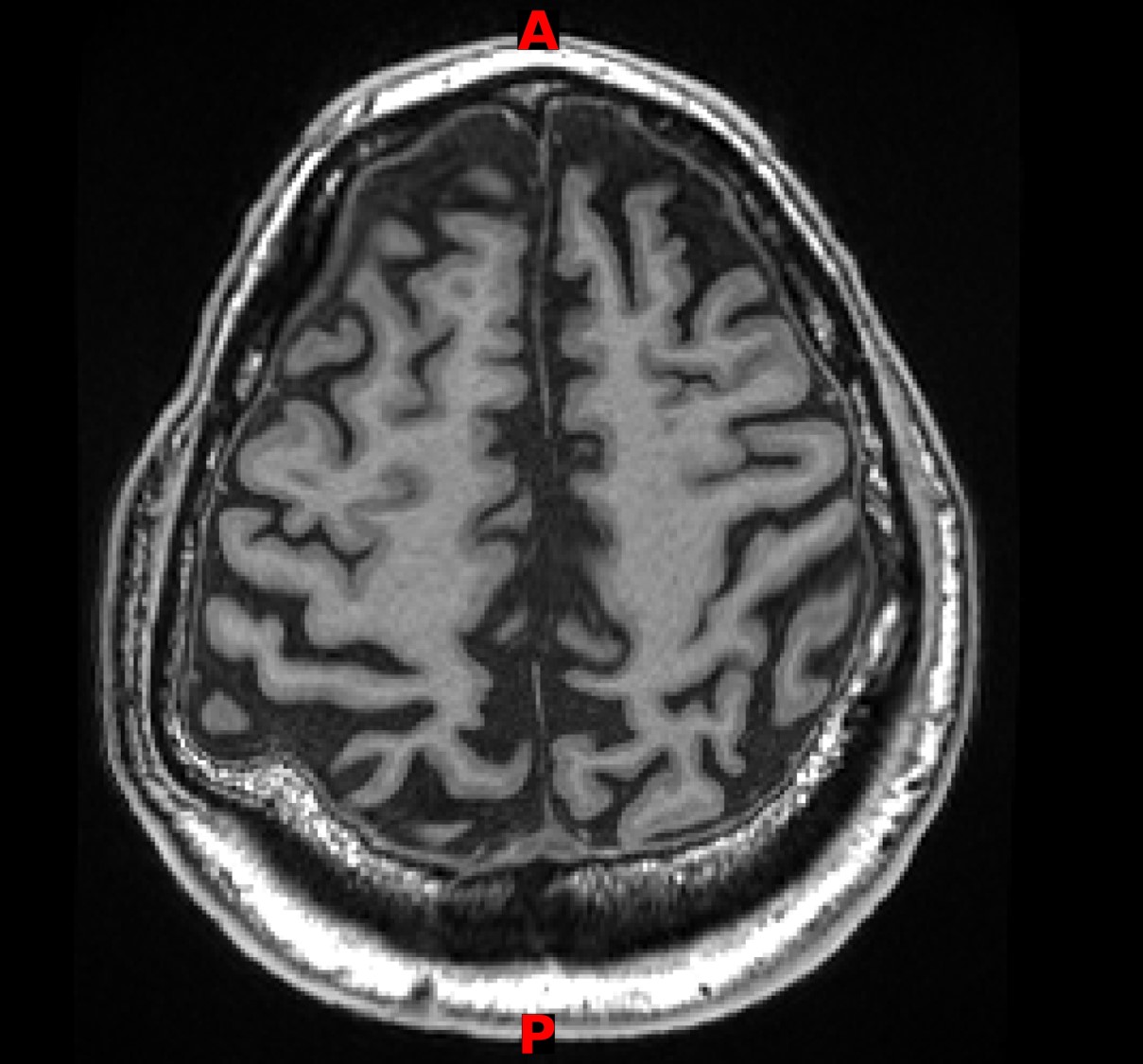
Computational brain mapping uses MRI-based technology. MRI does not use ionizing radiation—an important safety point supported by theNIH’s explanation of MRI. This lets us examine brain connectivity patterns with excellent spatial detail.
Standard TMS often relies on generalized anatomical landmarks to select treatment targets.
In contrast, fMRI-guided TMS at Neurotherapeutix uses each patient’s brain network data to determine where stimulation is delivered, allowing care to focus on the circuits most closely associated with symptoms.
Neurotherapeutix is a pioneer in this approach and the only clinic in the United States offering fMRI-guided TMS therapy, using advanced functional imaging and computational brain mapping to individualize treatment planning.
Rather than applying stimulation to a one-size-fits-all location, this method is designed to reflect how each person’s brain actually functions.
Think of it this way: if the brain is a city, symptoms don’t usually come from a single “building.” They’re more often linked to traffic patterns across neighborhoods. Functional brain mapping helps identify where those traffic patterns are disrupted, and fMRI-guided TMS is then used to support healthier signaling across those networks over time.
A thoughtful alternative to Electroshock Therapy (ECT) for patients
Electroconvulsive therapy (ECT) can be effective for certain severe conditions, but it may also carry risks, including memory-related side effects in some individuals.
Our clinic focuses on non-invasive neuromodulation and brain mapping so patients can explore personalized options and have clearer information when weighing choices.
Conditions we treat with TMS and brain-based care
Many symptoms that feel purely “emotional” can have measurable brain-circuit components. Our goal is to align diagnosis, brain mapping, and treatment planning, especially for people who haven’t improved with first-line care.
Here are examples of conditions we commonly see:
Depression
Depression is more than sadness—it can affect sleep, focus, motivation, and physical energy. TheNational Institute of Mental Health (NIMH) offers a clear clinical overview of symptoms and treatment pathways.
Anxiety disorders can create persistent worry and body-based “fight-or-flight” symptoms; the NIMH anxiety overview explains common types and evidence-based care.
We also support circuit-based treatment planning for obsessive-compulsive disorder (OCD), a condition the NIMH describes here
Additional psychiatric, neurodevelopmental, and neurological conditions
We also evaluate and support patients with a broad range of concerns, including bipolar disorder, ADHD, autism spectrum conditions, cognitive decline, and neurological recovery needs.
What to expect
Every plan starts with listening. Then we use data to guide decisions.
Initial consultation to understand symptoms, history, and goals
Brain mapping (when clinically appropriate) using rsfMRI to understand network function
Personalized treatment plan, which may include fMRI-guided TMS and supportive care
Ongoing monitoring to track progress and adjust targeting when needed
If you’re looking specifically for a convenient Manhattan location, see TMS Therapy Manhattan.
Meet the team guiding your care
Our multidisciplinary team includes experts at the forefront of fMRI-guided TMS therapy and computational brain mapping. Get to know the clinicians and researchers shaping personalized care.
Marta Moreno, Ph.D
fMRI-TMS Director
Sandlin Lowe, MD
Clinical Director
Robert M. Scolnick, MD
Medical Director
Alayar Kangarlu, Ph.D.
Director of MRI
A thoughtful approach to next steps
At Neurotherapeutix, care begins with understanding. Exploring treatment should feel informed, personalized, and never rushed. Our team is available to answer questions and help you understand whether fMRI-guided TMS or advanced brain mapping may be appropriate for your needs.
You can contact us via our website or by calling (917) 388-3090. For planning details, we invite you to review Payment & Insurance Information or explore common questions in our full FAQ section.
FAQ
Neurotherapeutix is known for pioneering the clinical use of fMRI-guided TMS therapy combined with advanced computational brain mapping to personalize neurological and mental health treatment. Rather than relying on generalized targeting methods, our approach uses individual brain network data to help guide care—connecting symptoms to underlying patterns of brain connectivity when clinically appropriate.
Yes—TMS is considered non-invasive, meaning it doesn’t require surgery or implants. During treatment, a coil delivers magnetic pulses to targeted brain areas while you remain awake and seated; the Mayo Clinic explains what TMS feels like and how it’s performed. Most patients return to normal activities the same day.
No. MRI does not use ionizing radiation, which is one reason it’s widely used in medical imaging. The NIH’s MRI overview explains how MRI works and why it differs from imaging that uses X-rays or nuclear tracers.
Many patients come to us for depression, anxiety, OCD, and PTSD—conditions that are well-defined in clinical resources like NIMH’s depression and VA PTSD information. We also evaluate a broader set of psychiatric and neurological conditions listed on our Conditions page.
If you want to explore options first, start with Services or How It Works. If you’re already feeling ready to talk with someone, contacting the clinic directly is often the fastest path to clarity, especially when symptoms are affecting daily life.
Patients’ Stories:
Life-Changing Transformations
Our patients’ stories are a testament to the groundbreaking power of our fMRI-guided TMS therapy. We’ve helped individuals rewire their minds and reclaim their lives by utilizing cutting-edge brain mapping technology.
My mother has received treatment from Neurotherapeutix to support her recovery from a brain tumor. Our experiences have been overwhelmingly positive, and the results are clearly evident in her increased cognitive function and uplifted mood. We’re grateful to everyone at Neurotherapeutix, it’s a kind and caring place, and we couldn’t recommend it enough. Very pleased.
Chris Swoszowski
My experience here has been excellent. From the staff and communication with the doctors to the clean office space, everything has been very good. The treatment offered here has not only been helpful but targeted the root issues. Great staff attentiveness. 10 out of 10 for me.
Sakh mma
Would strongly recommend Neurotherapeutix. Dr Moreno, Dr Kangarlu, Dr Lowe, and all the staff are amazing. They helped get my child back on track and living her best life. Thru doing the Fmri, they were able to determine lingering issues from a TBI she suffered in fall of 2020 that no one else had discovered. We will be forever grateful for them.
betty smith
Found amazing results with Neurothetaputix. Dr Moreno and Team are all very professional and super kind. Found long lasting improvements in my Mood, PTSD, Tinnitus, after years of not able to find help elsewhere. Marco G.
Marco Guglietti
Don’t even bother going to a standard TMS facility. Call Neurotherapeutix they saved my life. They are the only ones doing FMRI guided TMS. Worth every $$. The staff makes you feel at home. The doctors are the best.
Manuel R L (PG13)
This clinic has been a real lifesaver. State of the art technology used for the benefit of patients like me. I had multiple neurological issues and all saw marked improvement. Staff is very professional and give a great deal of personal attention.
Steve Cosson
I never heard about FMRI TMS but all I know is it was the only treatment that helped my husband get himself back. He dealt with much more than depression he has PTSD from being in the service and I can’t thank the medical team enough Dr. Moreno and Dr. Kangarlu are one of kind. Impressive treatment. This wasn’t offered in the VA hospital I’m so happy to get my husband back. This has been the hardest time of our lives. Medication stopped working therapy didn’t work this helped calm him down and stabilize him tremendously. He’s himself again! Thank...
Gg R
came in for OCD/Anxiety turns out it may have been caused by damage from football over 15 years that intensified symptoms / did not allow me to work through intrusive thoughts, ruminating, poor sleep, physical anxiety (fight or flight / adrenaline) urge to pace / restlessness. Everyday was like a nightmare and although I don’t have depression the constant state of anxiety started to create a mild form of depression. I have done 23 treatments so far, first 2 weeks I did 2 sessions a day, then 1 week of 1 a day, and now spacing it out a bit...
Matt Schlett
My cousin and bff had a normal upbringing and suddenly, around the age of 16, she started behaving differently after an infection, I could not recognize her. She became insanely paranoid, emotionally unstable, violent against the entire family and even psychotic. Her parents took her to so many psychiatrists and neurologists! no one could identify what was going on with her. She was diagnosed with Bipolar disorder, schizophrenia, schizoaffective disorder. We tried all medications on the market. Didn’t help and caused her some awful side effects A friend of my mom’s referred her to Neurotherapeutix and I cannot believe it...
Xavier De Almeida
I started noticing problems with my short-term memory. I could not remember little things at first. Then I also noticed difficulties driving the same route I have driven for years, like getting confused or lost, and became so scared. I came to Neurotherapeutix to check my brain, and they showed me the malfunctioning areas of my brain, and the treatments they suggested to recover. I decided to start with these treatments even though they are expensive, and you have no idea how well I am doing now. My memory improved 9/10, I do not get lost or confused anymore, my...
Thomas Rivera
This place gave me my life back. I wish more people had the opportunity to come here and meet with this incredible team to discover the best treatment plan for themselves. Truly grateful to the staff here for everything they have done for me. My only regret is not finding Neurotherapeutix sooner. If you have found yourself on this page looking at this review, please do not hesitate to reach out to them.
Kelly B.
I’ve spent most of my adult life trying to address problems with anxiety, sleeplessness, and severe depression. After countless doctors, therapists, and medications I found a real solution in fMRI guided TMS. Besides being incredibly caring human beings, Doctors Moreno & Kangarlu are world class experts in a cutting edge field.
Jason N.
I have been diagnosed with depression and severe anxiety for more that 15 years and have received the spectrum of treatments available today from pharmacological to standard TMS. None could improve my condition and during the last year I was unable to attend to my business and family responsibilities. I stayed in bed all day long and my wife and family suffered tremendously with my affliction. If it wasn't for the treatment I have received at Neurotherapeutix from Dr. Moreno, I do not know where I would have been today, perhaps broken family and lost my business. However, soon after...
TMS ( Transcranial Magnetic Stimulation ) Treatments Helped ! Dr. Moreno And Dr. Alayar Are Good Doctors !
Steve C.
My mother has received treatment from Neurotherapeutix to support her recovery from a brain tumor. Our experiences have been overwhelmingly positive, and the results are clearly evident in her increased cognitive function and uplifted mood. We’re grateful to everyone at Neurotherapeutix, it’s a kind and caring place, and we couldn’t recommend it enough. Very pleased.
Chris S.
"I tried to seek help through therapy which never really helped. I went off different psychiatric meds and I am now into my 50s and finally discovered Neurotherapeutix. I have been coming here for probably 20 or so treatments and I can tell you that my anxiety is much, much lessened than it was..."
"The reason I am here for this special treatment is because my son is getting individualized treatment that is individualized for his specific needs... I'm working with Dr. Moreno and it's really helping my son with his language and cognitive. I've been coming here for three weeks and have already noticed a big difference with my son."
"My son suffered a traumatic brain injury about four years ago. He has been going through all types of therapy. We found Dr. Moreno and this incredible new treatment. He is really improving on a daily basis. We are very happy with Dr. Moreno. She is excellent with my son. We look forward to contuining with this treatment."
"I've been taking my two daughters here for several years. The therapists here are warm, caring and supportive."
"Luckily I found Neurotherapeutix about three months ago. I've been receiving fMRI guided TMS and it's really been helping me. I'm feeling a lot better each day I'm coming here."
The blog aims to provide readers with valuable information, insights, and resources to better understand and utilize neurotherapy for enhancing brain health and optimizing mental well-being.
Contact us to get an estimate for your medical services requirements. You can fill in the form to specify your medical requirements or you can call us directly.